How to Unclog a Garbage Disposal Drain
To unclog a garbage disposal, switch off power, check for a jam, then clear the sink trap and drain line if the disposer runs but water still backs up. Never reach into the disposal or use chemical drain cleaner.
On this page (7 sections)
- What should you do before unclogging a garbage disposal?
- Is the disposal jammed or is the drain clogged?
- How do you clear a jam before checking the drain?
- How do you check the drain elbow and sink trap?
- What if the blockage is farther down the drain?
- How can you avoid another disposal clog?
- How do you know the clog is cleared?
To unclog a garbage disposal, switch off power, check for a jam, then clear the sink trap and drain line if the disposer runs but water still backs up. Never reach into the disposal or pour chemical drain cleaner into it.
A disposal may be jammed, or the blockage may sit in the drain elbow, sink trap, or pipe beyond it. The difference matters: a wrench may help with a jam, but it won't clear a clogged pipe.
What should you do before unclogging a garbage disposal?
Turn off the wall switch and cut power at the breaker before putting tools near the disposal. Keep your hands out of the drain, and never assume the switch alone makes the unit safe.
If you can unplug the disposal without reaching through water or moving a heavy object, unplug it too. For a hardwired unit, use the breaker and confirm the switch won't turn it on.
Remove standing water with a cup or small container so you can see the drain opening. Put a flashlight nearby, and keep towels and a bucket under the sink before opening any drain connections.
Never put your hand into the disposal, even when it appears off. If you see broken glass or another sharp object, don't try to retrieve it by hand.
Is the disposal jammed or is the drain clogged?
A humming sound or a unit that won't turn points to a possible jam; water backing up while the unit runs points more toward a drain blockage. A jam and a clogged drain can also happen at the same time.
Don't keep switching a humming disposal on and off. Turn off power and use the reset or jam-clearing steps in the unit's manual.
If the motor runs and water still pools in the sink, start with the drain elbow and sink trap. For a unit that won't run at all, follow why a garbage disposal may not be working.
Can a jam-buster wrench unclog a disposal drain?
A jam-buster wrench can help free a simple jam, but it does not clear a clog in the drainpipe. Use a wrench only if your disposer has a matching bottom hex opening and its manual allows that method.
The InSinkErator WRN-00 is made for InSinkErator disposers. Its instructions say to insert the hex end into the center hole underneath the unit and turn back and forth.
Don't force a wrench that won't fit. If the disposal turns freely but water remains in the sink, stop working on the unit and check the drain path instead.
How do you clear a jam before checking the drain?
With power off, use the disposer’s approved jam-clearing method and remove only loose debris you can see without reaching inside. Check the manual for the reset button location and whether your model has a bottom hex socket.
A compatible wrench can be turned back and forth to free a stuck plate. The Garbage Disposal Unjamming Hex Wrench is described as a 1/4 in hex tool for units with a bottom hex hole; check that your disposer matches before using it.
After the jam is clear, remove the wrench and restore power only when the area is dry and clear. Run cold water and briefly test the disposer according to its manual.
For a fuller sequence, see how to unjam a garbage disposal safely. If it still hums, trips the breaker, or will not turn, stop and consult the manual or a repair professional.
How do you check the drain elbow and sink trap?
If the disposal runs but the sink still drains slowly, switch off power and inspect the drain elbow and P-trap for trapped food or debris. Place a bucket below the connections before loosening anything.
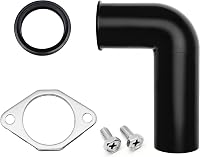
The drain elbow connects the disposal outlet to the drainpipe. Loosen its fasteners carefully, keeping the bucket in place for water and debris, then remove the elbow and gasket as needed for inspection.
The Mr. Scrappy kit includes an elbow, flange, rubber gasket, and two screws.
Compare the connection and parts with your existing assembly before replacing anything.
If you can safely remove the sink trap, keep track of how its pieces fit and clear debris into the bucket. Don't force corroded fittings or pull hard on pipes; call a plumber if a connection resists or looks damaged.
After reassembly, check that the connections are secure and run water while watching for leaks. If the disposal connection leaks, follow how to fix a leaking garbage disposal.
What if the blockage is farther down the drain?
If the trap is clear but water still won't flow, the obstruction may be farther along the drainpipe. A hand auger may help with a reachable household blockage, but use it only if you know how to operate it without damaging the pipe.
Don't push a tool into the disposal opening or use a coat hanger to probe the line. Avoid chemical drain cleaners, which can linger in standing water and create a splash hazard during later work.
If several fixtures drain slowly or back up together, the problem may be beyond the kitchen branch. A plumber can identify the blockage without risking damage to the disposal or piping.
How can you avoid another disposal clog?
Feed small amounts of suitable food waste with running cold water, and let water continue briefly after grinding. Follow your disposer manual because acceptable materials and operating instructions vary by model.
Avoid putting fibrous scraps, grease, large bones, or other unsuitable waste into the unit. Our guide to what you can put in a garbage disposal covers common foods and safer disposal choices.
Don't use the disposal as a substitute for a drain strainer. Scrape plates into the trash or compost first, then use the unit for only the scraps its manual allows.
How do you know the clog is cleared?
The clog is likely cleared when water drains steadily and the disposal runs without unusual noise or backing up. Keep watching beneath the sink during the first test for drips at the drain elbow and trap.
If water still pools, stop running the disposal and revisit the drain path. Repeated resets or longer run times won't clear a pipe blockage.
Choose the InSinkErator wrench when the unit is an InSinkErator model with a matching hex socket and a jam is likely. Choose the general hex wrench only when its fit matches your disposer; use the elbow kit if that connection needs replacement, not as a clog-clearing tool.
For the next step, see how to unjam a garbage disposal safely for a stuck unit, or review how to fix a leaking garbage disposal if water appears under the sink.
Frequently asked questions
Why is my garbage disposal backing up?
A blockage may be in the disposal, the drain elbow, the sink trap, or the pipe beyond the trap. If the disposer runs but water stays in the sink, turn off power and check the drain path.
If it hums or won't turn, treat it as a possible jam and don't keep running it.
Can I use a plunger on a sink with a garbage disposal?
You can try a sink plunger after switching off the disposal and sealing the other sink opening in a double-bowl sink. Use a small amount of water to cover the plunger cup, then make controlled strokes.
Stop if water leaks beneath the sink or the blockage does not move.
Should I use drain cleaner in a garbage disposal?
Avoid chemical drain cleaner unless the disposer and cleaner manufacturers specifically allow it. Chemicals can remain in the sink or disposal and splash during later work.
Use a mechanical method that fits the blockage, or contact a plumber if the drain stays blocked.
When should I call a plumber for a clogged disposal?
Call a plumber if clearing the trap and drain does not restore flow, if multiple fixtures are backing up, or if you find a leak, damaged pipe, or wiring concern. Stop if you cannot safely isolate power or remove the trap without stressing the pipes.