How to Unjam a Garbage Disposal Safely
To unjam a garbage disposal, cut power first, remove visible debris with tongs, then turn the impeller with the correct wrench. Never put your hand into the chamber.
On this page (9 sections)
- How do you unjam a garbage disposal step by step?
- Why should you disconnect power before clearing a jam?
- What should you check before using a wrench?
- What if the disposal doesn't have a bottom hex socket?
- Which wrench should you use for a garbage disposal jam?
- What should you do after freeing the impeller?
- When is a jam actually a drain clog?
- How can you reduce the chance of another jam?
- What is the safest way to handle a jammed disposal?
To unjam a garbage disposal, cut power first, remove visible debris with tongs, then turn the impeller with the correct wrench. Keep your hand out of the chamber, and follow the instructions for your exact model.
A disposal can jam when a hard object or food debris blocks the impeller. If the motor hums without turning, switch it off promptly so it doesn't keep straining.
How do you unjam a garbage disposal step by step?
Disconnect power, check for debris, free the impeller, then test the disposal briefly. Your owner's manual takes priority because wrench access and reset steps vary by model.
- Turn off the wall switch. Unplug the disposal if it has a plug, or switch off its circuit breaker.
- Confirm the unit cannot start by operating the wall switch once. Return the switch to off.
- Shine a flashlight into the chamber and look for a visible obstruction.
- Use long-handled tongs to remove loose objects. Keep your fingers out of the opening.
- If your model has a bottom hex socket, use its specified wrench there and gently turn back and forth. If it uses a top-inserted wrench, follow that method instead.
- Remove the wrench, make sure the chamber is clear, then restore power and run cold water while testing the unit briefly.
If the impeller won't turn with gentle pressure, don't force it. Stop if you see damaged parts, smell burning, or hear a new grinding sound.
Why should you disconnect power before clearing a jam?
The disposal must be unable to start while you're working near its opening. Turning off only the wall switch may not be enough protection if someone else can turn it on or the switch is faulty.
Unplug the unit when you can reach its plug safely. For a hardwired disposal, switch off the correct breaker and keep it off until you've finished.
Never put your hand inside, even with power disconnected. Use tongs for visible objects, and leave anything you can't reach safely for a repair professional.
What should you check before using a wrench?
Check the model instructions and identify the wrench access point before turning anything. Some disposals have a hex socket underneath, while others are designed for a wrench inserted from the sink opening.
A bottom socket usually accepts a specific hex wrench. A top-inserted wrench engages the impeller from above, so don't push a tool into the opening unless your manual says to do so.
A wrench box can help you keep a compatible tool nearby. The InSinkErator WRN-00 is intended for InSinkErator disposals and turns in the bottom center hole.
Don't assume one wrench fits every brand or model. Check your disposal instructions before applying force.
What if the disposal doesn't have a bottom hex socket?
Use a top-inserted wrench only if your model's instructions call for one. The method can turn the impeller from above the sink without reaching under the disposal.
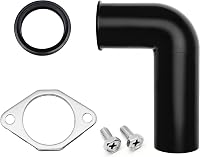
The Haiouus wrench is designed for use from above on compatible models. Its instructions call for the power to be off; don't fill the sink with hot water while using it, and consider wearing gloves.
Compatibility varies by model, so verify yours before using this tool. If the wrench doesn't engage smoothly, stop rather than twisting harder.
Which wrench should you use for a garbage disposal jam?
Use the wrench method and size specified by your disposal's manual. A bottom hex wrench suits models with a bottom socket; a top-inserted wrench is for models designed for access from above.
The Augwontior wrench has a 1/4 in hex head and is described as fitting many disposals with a bottom hex hole. Confirm your model has that socket and accepts this size before use.
Don't use a tool that wobbles in the socket or won't engage fully. A poor fit can slip when you turn it.
If the disposal continues to hum or won't start after the jam is cleared, see why a garbage disposal may not be working. That guide covers other common causes.
What should you do after freeing the impeller?
Remove the wrench, clear the chamber, and restore power only when the work area is clear. Run cold water, then test the disposal briefly with the wall switch.
If the motor doesn't start, use the reset button and restart steps in your manual. A tripped reset can be one reason a disposal remains off after a jam.
Stop if it hums without turning, trips the reset again, leaks, or makes an unfamiliar noise. For water problems, follow how to fix a leaking garbage disposal; for persistent noise, see why a garbage disposal is so loud.
When is a jam actually a drain clog?
A disposal jam stops the impeller from turning; a drain clog slows or stops water from leaving the sink. The two problems can happen together, but clearing one doesn't always fix the other.
If the impeller turns and the motor runs, yet water remains in the sink, check the drain path rather than forcing the wrench. Follow how to unclog a garbage disposal drain for next steps.
Never pour chemical drain cleaner into a disposal unless the manufacturer specifically permits it. Chemicals can splash back when you work near the opening.
How can you reduce the chance of another jam?
Keep hard objects, fibrous scraps, and unsuitable food out of the disposal. Use cold water and feed small amounts at a time, following your model's manual for what it can handle.
Don't grind bones, pits, shells, or other hard items unless your manual says they're suitable. For more guidance, read what you can put in a garbage disposal.
A jam that returns often may point to a damaged disposal, a recurring obstruction, or another fault. If you need to replace the unit, start with how to replace a garbage disposal, and hire a qualified professional for electrical or plumbing work you're not prepared to do.
What is the safest way to handle a jammed disposal?
Disconnect power, keep your hand out, and use only the wrench method approved for your model. Stop if the impeller won't turn gently or the disposal shows signs of damage.
Choose the InSinkErator Jam-Buster for a compatible InSinkErator model with a bottom hex socket. Consider the top-inserted wrench only if your unit is designed for that approach, or use a compatible hex wrench when your model accepts its size.
If the jam clears but the disposal still won't run, use the troubleshooting steps for a garbage disposal that isn't working. A repeat jam or grinding noise calls for a closer inspection before you use the unit again.
Frequently asked questions
How do you unjam a garbage disposal safely?
Turn the wall switch off, disconnect power at the breaker or unplug the unit, and confirm it cannot start. Use tongs to remove visible debris, then turn the impeller with the wrench method specified for your model.
Restore power only after removing the tool and replacing any covers.
Can I put my hand in a jammed garbage disposal?
No. Keep your hand out of the disposal, even when the switch is off.
Disconnect power and use long-handled tongs to lift out visible objects; if you cannot reach an obstruction safely, stop and call a qualified repair professional.
Where does the hex wrench go on a garbage disposal?
On models with a bottom hex socket, insert the correctly sized wrench into the socket underneath the unit and turn it back and forth as the manual directs. Some models use a top-inserted wrench instead, so check your model instructions before trying either method.
Why does my garbage disposal hum but not turn?
A hum without rotation can mean the impeller is blocked, but it can also point to an electrical or motor problem. Switch it off promptly, disconnect power, and check for a jam using the model's instructions.
If it still hums after clearing the obstruction, stop and seek service.