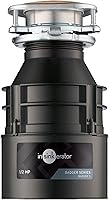
Are Garbage Disposals Bad for Septic Systems?
No, a garbage disposal is not automatically bad for a septic system. A working tank and drain field can handle the small amount of ground food a typical household sends down, as long as the tank is sized and pumped on schedule.
On this page (8 sections)
- Are garbage disposals bad for septic systems?
- Does a garbage disposal fill a septic tank faster?
- What should never go down a disposal on septic?
- How often should you pump a tank with a disposal?
- Can a disposal cleaner hurt the septic tank?
- Does a disposal installation kit matter for septic safety?
- How do you use a disposal responsibly on septic?
- Is a garbage disposal worth it on a septic system?
A garbage disposal is not automatically bad for a septic system. A working tank and drain field can handle the small amount of ground food a typical household sends down, as long as the tank is sized and pumped on schedule.
The trouble starts when the disposal becomes a second trash can. This guide explains when are garbage disposals bad for septic systems, what to keep out of the drain and how to clean the unit without hurting the bacteria doing the real work.
Are garbage disposals bad for septic systems?
No, a disposal on its own is not the problem; overloading the tank is. A septic system separates solids, lets liquid flow to the drain field and relies on bacteria to break waste down.
Food scraps are organic solids. A modest amount settles with the rest of the solids and gets digested slowly.
A heavy daily load of scraps adds volume the tank was never sized to hold.
The EPA's guide to septic system care notes that garbage disposals add solids and can mean pumping more often. That is the real trade-off, not a ban on the appliance.
If your tank is undersized, already full of sludge or slow to drain, adding a disposal makes an existing problem worse. Fix the tank first, then decide.
The disposal sits between the sink and the waste line, so anything you feed it reaches the tank as a slurry rather than a solid chunk. The appliance does the chopping, but the tank does the waiting.
Does a garbage disposal fill a septic tank faster?
It can, because ground food stays in the tank as solids. Water leaves for the drain field; food particles settle as sludge or float as scum.
Every extra cup of scraps means more sludge between pumpings. A household that grinds daily may need pumping closer to every 2 to 3 years instead of every 3 to 5.
Skipping scraps into the trash keeps the tank closer to its normal rhythm and gives you more time between service calls. What harms the drain field is sending fats and grease along with the food, because those coat soil and slow drainage.
How the tank layers work against you
A septic tank works in three rough layers. Scum floats on top, clear liquid sits in the middle and sludge collects at the bottom.
Food scraps mostly sink into the sludge layer. Grease floats into the scum layer.
Both eat into the middle layer of clear liquid that the drain field depends on.
When the middle layer shrinks, wastewater leaves the tank carrying more solids. Those solids plug the gravel and soil around the drain field pipes.
A disposal that runs daily makes that layer shrink faster.
What should never go down a disposal on septic?
Keep grease, oils, fibrous scraps and starchy foods out of the drain. These either clog pipes or smother the bacteria in the tank.
Skip cooking grease and oil, coffee grounds, eggshells in volume, rice, pasta, potato peels, celery strings, corn cobs and bones. Wipe grease from pans into the trash before washing.
Small amounts of soft scraps are fine. The 1/3 hp and 1/2 hp models many homes use handle soft food well; see our comparison of garbage disposal 1/3 vs 1/2 hp for what each grinds comfortably.
Run cold water before, during and after grinding. Cold water keeps grease solid so it moves through rather than sticking to the chamber walls.
A motor can spin a spoonful of fat into a fine mist, but that mist cools in the pipe and coats the walls. Fibrous scraps like celery strings wrap around the impeller instead of breaking down.
Starchy foods swell with water and form a paste that clings to the chamber floor.
How often should you pump a tank with a disposal?
Plan on pumping every 2 to 3 years instead of every 3 to 5. That shorter cycle is the practical price of grinding food scraps into the system.
Have the tank inspected at each pump-out. A pumper can tell you whether sludge is building faster than normal and whether the baffles are working.
Keep a simple log of pump dates and any slow drains. A pattern of backups points to too much solids going in, not to the disposal motor itself.
If the drain field is already saturated or the yard is soggy, stop using the disposal until the system is checked. Household size changes the math too: a family of five that grinds daily should lean toward the shorter end.
Can a disposal cleaner hurt the septic tank?
No, a septic-safe cleaner cleans the disposal without harming the tank. Affresh Garbage Disposal Cleaner is EPA Safer Choice Certified and labeled septic safe, so it foams away odor-causing residue in the grind chamber, impeller and drain pipe.
That matters because a smelly disposal often gets doused with bleach or drain cleaner. Those products can kill the bacteria your tank needs, so avoid them on a septic system.
The tablets are a 6-month supply, so one drop a month keeps odors down. The cleaning action is what protects the unit, not the citrus scent.
Why not just use bleach?
Bleach kills odor-causing bacteria in the disposal, but it does not tell the difference between those bacteria and the ones digesting waste in your tank. A heavy dose can knock back the treatment in the tank along with the smell.
A septic-safe tablet is formulated to do the cleaning without that side effect, so it is a better fit for a home on a tank than a chemical drain opener.
Does a disposal installation kit matter for septic safety?
A correct install keeps wastewater flowing where it should. Loose joints, a wrong trap or a leaking drain arm send water and food into the cabinet or floor instead of the septic line.
The PlumbCraft Garbage Disposal Installation Kit supplies the plastic piping for a 1.5 in OD setup, including tailpieces, a slip joint drain arm, an end outlet tee, an elbow, a rubber boot and a trap.
The plastic parts can be cut to fit, so measure against the old pieces before trimming. Tighten the plastic nuts by hand, not with a wrench, to avoid cracking them.
A tidy install also makes the trap easy to open for inspection.
Why leaks matter more on septic
A leaking joint under the sink dumps food-laden water into the cabinet, where it soaks the shelf and grows mold. That is a nuisance on city sewer.
On a septic system it is also wasted load from the same food scraps you paid to grind.
Hand-tightening is the rule for plastic nuts. A wrench over-torques them and cracks the collars.
Check each joint by running water for a minute after the install.
How do you use a disposal responsibly on septic?
Scrape plates into the trash first and grind only soft scraps. Treat the disposal as a helper, not the main route for food waste.
Run cold water for a few seconds before you switch on, keep it running while you grind and let it run a bit after. Grind in short bursts rather than packing the chamber.
Clean the unit monthly with a septic-safe tablet, and never pour grease or chemical drain openers down the sink. For a broader look at matching a unit to your kitchen, our garbage disposal buying guide covers size, motor and feed type.
Cold water keeps fats solid so they travel to the tank instead of melting onto the chamber and pipe walls. A short flush after grinding moves the last particles out of the trap.
Is a garbage disposal worth it on a septic system?
Yes, if the tank is healthy and your household uses it lightly. A disposal saves trips to the trash and keeps the kitchen cleaner, and a maintained septic system can handle modest food waste.
It is not worth it if the tank is already struggling, undersized or overdue for pumping. In that case, fix the system first or skip the disposal.
If you are still deciding on the appliance, our guide to whether a garbage disposal is worth it weighs the convenience against the upkeep. For a kitchen without an outlet under the sink, compare corded vs non corded garbage disposals.
The short answer to are garbage disposals bad for septic systems is no, provided you keep grease and bulky scraps out and pump the tank on the shorter schedule. Pick a disposal if your system is sound, or skip it until the tank is serviced.
Frequently asked questions
Does a garbage disposal fill a septic tank faster?
It can. Ground food adds solids the tank must break down, so a household that grinds scraps daily may need pumping more often than one that doesn't.
What foods should never go down a disposal on septic?
Skip grease, oils, coffee grounds, eggshells in volume, rice, pasta and fibrous scraps like celery. These either cling to pipes, smother bacteria or settle as sludge.
Does a disposal cleaner hurt a septic system?
Affresh Garbage Disposal Cleaner is septic safe and EPA Safer Choice Certified, so it cleans the grind chamber without adding harsh chemicals to the tank.