Do I Need a Garbage Disposal With a Dishwasher?
No, a dishwasher does not need a garbage disposal to work. The dishwasher drains through its own hose, so a disposal is a helpful extra for rinse water and food scraps, not a requirement for clean dishes.
On this page (8 sections)
- Does a dishwasher need a garbage disposal to drain?
- What changes when you add a disposal to a dishwasher setup?
- Which setup fits your kitchen: dishwasher only, disposal only or both?
- How does the drain path connect a dishwasher and a disposal?
- Do you need a bigger disposal when a dishwasher shares the drain?
- How should you care for a disposal that serves a dishwasher?
- What should you check before buying a disposal for a dishwasher kitchen?
- Which disposal would we pick for a dishwasher kitchen?
No, you do not need a garbage disposal for a dishwasher to run. The dishwasher drains through its own hose, so the two appliances are separate systems that can share a sink cabinet without depending on each other.
The real question is whether adding a disposal makes your kitchen easier to live in. That depends on how your drain path is built, how much you scrape and rinse, and whether you want one appliance to handle the food that reaches the sink.
This guide walks through the plumbing, the practical trade-offs and the setups that make sense. If you are still weighing models, the garbage disposal buying guide covers motor size and feed type in more detail.
Does a dishwasher need a garbage disposal to drain?
A dishwasher drains without a garbage disposal. Its discharge hose routes to the sink drain, a branch tailpiece or a dedicated drain connection, and the dishwasher's pump pushes the water out on its own.
A disposal changes where that hose can end. Many installers connect the dishwasher hose to a disposal inlet, so wash and rinse water flows through the grind chamber before entering the drain pipe.
That path works well, but the disposal is not doing the cleaning.
The dishwasher's job is spraying and draining; the disposal's job is grinding food. Keep those roles separate and the setup is easier to understand.
A dishwasher without a disposal needs a proper air gap or high loop on the drain hose to prevent dirty water from siphoning back.
That anti-siphon detail matters more than whether a disposal is present. Check your local plumbing code and the dishwasher's install instructions before you plan the hose route.
Rule: a dishwasher can drain with or without a disposal, as long as the hose has a proper anti-siphon loop.
What changes when you add a disposal to a dishwasher setup?
Adding a disposal gives the sink drain a grinder and a second path for dishwasher water. The dishwasher still drains on its own schedule, but its hose can tie into the disposal inlet instead of the drain pipe.
The practical benefit is convenience at the sink. Rinse water and small food scraps that reach the drain get ground instead of sitting in the pipe.
That can reduce the greasy film and debris that build up in a shared drain over time.
There is also a space question. A disposal hangs under the sink next to the dishwasher's hose, so the cabinet needs room for both.
Compact models like the Badger 5 are built to fit existing InSinkErator hardware and save under-sink space.
The trade-off is one more appliance to install, power and maintain. A dishwasher-only setup is simpler, while a both-appliances setup asks more of the cabinet, the outlet and the drain.
If the cabinet is tight, measure the disposal body against the dishwasher hose and the shutoff valves. The 1/3 HP vs 1/2 HP garbage disposal comparison explains how motor size affects the body and the job.
Rule: add a disposal only if you want sink-side grinding and your cabinet has room for the body plus the hoses.
Which setup fits your kitchen: dishwasher only, disposal only or both?
The right setup follows your sink habits, not a rule that says every dishwasher needs a disposal. Each arrangement has a clear best fit, and none of them is wrong.
A dishwasher-only kitchen suits someone who scrapes plates into the trash before loading. The dishwasher handles the wash water, and the drain stays simple with no motor to power or maintain.
A disposal-only kitchen suits someone who cooks from scratch and sends scraps down the sink. The dishwasher can be added later, and the disposal already handles what reaches the drain.
A kitchen with both appliances suits households that want the most flexibility. The dishwasher cleans the dishes, the disposal clears the sink, and the two share the drain path without fighting each other.
Think about your routine before you decide. If plates rarely carry food to the sink, a disposal adds little.
If you rinse produce and scrape pans at the sink, a disposal earns its space.
Rule: pick dishwasher-only for simple plumbing, disposal-only for sink-side scraping, and both when you want flexibility at the sink.
When a disposal helps most beside a dishwasher
A disposal pulls its weight when food reaches the sink regularly. That includes rinsing vegetables, scraping plates after a meal and emptying the last of a pot before washing.
It also helps when the dishwasher hose ties into the disposal inlet. Rinse water from the dishwasher flows through the grind chamber, so the drain sees less loose debris.
Small kitchens with one shared drain benefit most from that arrangement. The disposal keeps the branch point clear, and the dishwasher keeps sending water through it.
A disposal does not replace scraping big items into the trash. Bones, grease and fibrous scraps still belong in the bin, and the what HP for garbage disposal guide helps you match motor size to the load you actually create.
When a dishwasher alone is enough
A dishwasher alone works when your drain path is simple and your plates are mostly clean before loading. Many households scrape into the trash and never miss a disposal.
It also suits rentals or remodels where the cabinet space is tight. Fewer appliances mean fewer connections, less wiring and a shorter list of things to maintain.
If the sink drain runs smoothly and the dishwasher hose has its anti-siphon loop, there is no plumbing reason to add a disposal. The corded vs non-corded garbage disposals compared guide matters only once you decide to add one.
Rule: skip the disposal when plates are scraped first and the drain runs clear; add it when food and rinse water reach the sink often.
How does the drain path connect a dishwasher and a disposal?
The dishwasher hose and the disposal share one drain path, and the order of the connections matters. A typical sink drain has a tailpiece below the strainer, and the dishwasher hose joins either the disposal inlet or a branch fitting.
When a disposal is present, the dishwasher hose often connects to the inlet on the disposal. Water enters the grind chamber and exits through the disposal's discharge tube into the drain pipe or trap.
Without a disposal, the dishwasher hose connects to a branch tailpiece above the trap. The water goes straight into the drain without passing through an appliance.
Either way, the hose needs a high loop or an air gap. That fitting stops dirty drain water from flowing back into the dishwasher when the pump stops.
Check the height and the fittings in the dishwasher's install instructions before you buy parts. A plumbing supply store can match the tailpiece and hose to your sink.
Rule: route the dishwasher hose to the disposal inlet when you have one, or to a branch tailpiece when you do not, and always fit the anti-siphon loop.
Power and cord details for a combined setup
A disposal and a dishwasher usually need separate power. The dishwasher has its own circuit, and the disposal needs a switched outlet or a hardwired connection.
Many disposals ship without a cord, and some ship with one. The Badger 5 comes with a factory-installed power cord, so it plugs into a standard outlet under the sink.
Other InSinkErator models use an EZ Connect cord that inserts into the bottom of the disposer. The EZ CONNECT Cord Installation kit is a UL-Listed 3-foot cord for EZ Connect Power and Advanced Series continuous feed models.
Check which cord type your disposer takes before you plan the outlet. If the sink cabinet has one switched outlet, confirm the dishwasher and disposal do not compete for it.
Rule: give the dishwasher its own circuit and the disposal a switched outlet or hardwired feed, and match the cord to the disposer's connection type.
Do you need a bigger disposal when a dishwasher shares the drain?
A 1/2 HP continuous-feed disposal is enough for most dishwasher-adjacent setups. It handles everyday food scraps and the rinse water a dishwasher sends through the drain without needing a larger motor.
Motor size matters more when you grind heavy or fibrous scraps often. A bigger motor adds torque for tough loads, but it also adds weight, cost and a larger body under the sink.
For a kitchen where the disposal mainly clears rinse water and light scraps, a 1/2 HP unit is the sensible default. The Badger 5 pairs a 1/2 HP Dura-Drive induction motor with galvanized steel grind components for everyday scraps.
If you cook with a lot of fibrous vegetables or grind often, step up. The what HP for garbage disposal guide lays out the load each size handles, and the 1/3 HP vs 1/2 HP garbage disposal comparison shows the bottom of the range.
A larger motor cannot fix a slow drain. If the pipe clogs, the problem is the drain path, not the horsepower.
Rule: choose 1/2 HP for light scraps and dishwasher rinse water, and size up only when your grind load is genuinely heavy.
Feed type and dishwasher placement
Continuous-feed disposals accept scraps while running, which suits a busy sink shared with a dishwasher. Batch-feed models require a stopper before they run and add a step to every load.
Continuous feed is the more common choice in US kitchens. The Badger 5 is a continuous-feed model, so you can scrape and grind in one motion at the sink.
Placement matters too. The disposal hangs directly below the drain opening, and the dishwasher hose routes around it.
A compact body leaves more room for the hose bend.
Check the disposal's dimensions against the cabinet depth and the dishwasher hose before you mount it. The garbage disposal buying guide covers body size and mounting hardware in more detail.
Rule: pick continuous feed for a shared sink, and confirm the disposal body clears the dishwasher hose before mounting.
How should you care for a disposal that serves a dishwasher?
Run water before, during and after grinding, and clean the grind chamber regularly. Food and rinse water leave residue in the disposal, and that residue is what causes odors over time.
Let cold water run for a few seconds before you add scraps and keep it running while the motor works. After grinding, let it run a bit longer to flush the discharge tube and the drain.
Clean the grind chamber monthly. Affresh Garbage Disposal Cleaner tablets use foaming action to help remove odor-causing residue from the grind chamber, impeller and drain pipe.
The tablets carry a fresh citrus scent and are EPA Safer Choice Certified and septic safe. Affresh is the number one recommended disposal cleaner brand by Whirlpool and KitchenAid.
Avoid pouring grease down the drain. It coats the pipe and the disposal, and a dishwasher sending water through the same path can spread that film.
Rule: flush with cold water every use and clean the grind chamber monthly to keep a shared drain fresh.
What not to put down a disposal with a dishwasher
Keep hard items out of the disposal. Bones, fruit pits, shells and glass can damage the grind components or jam the motor.
Skip fibrous scraps like celery strings and corn husks. They wrap around the impeller and slow the grind.
Never send grease or cooking oil down the drain. It cools and hardens in the pipe, and dishwasher water does not clear it.
Read the disposal's instructions for its limits before the first use. A disposal that serves a dishwasher sees rinse water and light scraps, not a full plate of leftovers.
Rule: keep hard, fibrous and greasy waste out of the disposal, and let the trash take what the grinder cannot handle.
What should you check before buying a disposal for a dishwasher kitchen?
Check the cabinet space, the power source, the drain fittings and the dishwasher hose before you buy. These four checks decide whether a disposal fits your setup without a plumbing surprise.
Measure the space under the sink for the disposal body and the dishwasher hose. A compact 1/2 HP model leaves more room than a large one.
Confirm the outlet. A switched outlet is ideal, and a model with a factory-installed cord like the Badger 5 plugs straight in.
Match the drain fittings to your sink. The disposal kit usually includes the flange, gasket and discharge tube, so check what your sink needs.
Check the dishwasher hose length and the anti-siphon loop. The hose must reach the disposal inlet or the branch tailpiece without a sharp bend.
Rule: confirm space, power, drain fittings and hose reach before you buy, and the install is a straightforward swap.
Matching a disposal to your dishwasher's age and type
An older dishwasher may have a shorter hose or a different drain fitting. Check the hose before you buy a disposal so you know whether you need an extension.
Newer dishwashers often have a longer hose and a standard connection. That makes the tie-in to a disposal inlet easier.
The disposal's inlet size should match the dishwasher hose diameter. Standard fittings keep the connection simple.
If the dishwasher is very old, the drain parts may be brittle. Replacing the hose at the same time as the disposal avoids a second job later.
Rule: check the dishwasher hose length and fitting before buying, and replace a brittle hose while the cabinet is open.
Which disposal would we pick for a dishwasher kitchen?
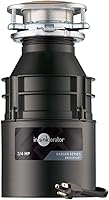
We would pick the InSinkErator Badger 5 with Power Cord for most dishwasher kitchens. It is a 1/2 HP continuous-feed model with a factory-installed cord and compact body, and it fits standard InSinkErator mounting hardware.
The Badger 5's 1/2 HP Dura-Drive induction motor handles everyday scraps and rinse water. Its galvanized steel components are built for a dependable grind, and the compact design saves under-sink space next to a dishwasher.
The included power cord removes a wiring step. The kit also includes the stopper, discharge tube, flange, gasket and hardware, so the install parts are in the box.
For EZ Connect InSinkErator models, the EZ CONNECT Cord Installation kit adds a UL-Listed plug-in cord. It fits EZ Connect Power and Advanced Series continuous feed models.
The Affresh Garbage Disposal Cleaner is the care pick. Use it monthly to help keep the grind chamber and drain pipe free of odor-causing residue.
So the answer to whether you need a garbage disposal with dishwasher setups is no, but adding one makes the sink more useful. Pick the Badger 5 when you want a simple 1/2 HP continuous-feed unit with a cord in the box.
For more buying help, read the garbage disposal buying guide.
Rule: choose the Badger 5 for a compact corded 1/2 HP unit, the EZ Connect cord for those models, and Affresh for monthly cleaning.
Frequently asked questions
Can you install a dishwasher without a garbage disposal?
Yes. A dishwasher drains through its own hose into the sink drain or a separate tailpiece, so it runs without a disposal.
The drain path still needs a proper air gap or high loop and a clear pipe to avoid backups.
Do you need a garbage disposal to hook up a dishwasher?
No. Many dishwasher installs tie into the sink drain with a branch tailpiece and no disposal at all.
A disposal only changes how some installers route the dishwasher hose, so read the dishwasher's install guide before you buy.
Is a garbage disposal worth it if the dishwasher already handles food scraps?
It depends on how much you rinse and scrape. A disposal helps clear sink-side scraps and the water a dishwasher sends into the drain, while a dishwasher alone handles the wash cycle.
Many kitchens work fine with one or the other.
What size garbage disposal pairs well with a dishwasher?
A 1/2 HP continuous-feed model handles everyday scraps and rinse water in most homes. A bigger motor suits heavy cooking, but for dishwasher-adjacent waste a 1/2 HP unit like the Badger 5 is a sensible starting point.